Nox T3s Home Sleep Test
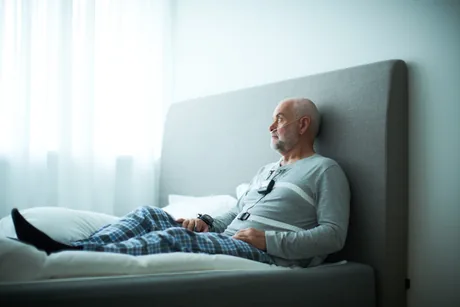
The Nox T3s home sleep test uses a small, portable device intended to allow patients to easily complete a comprehensive sleep study in the comfort of their own home. The Nox T3s recorder is a lightweight device worn on the body. It is designed to record important physical signals throughout the night. The system is suitable for use in various environments, including the patient's home.
What the Test Measures
The purpose of the Nox T3s recorder is to help your doctor evaluate your sleep and aid in the assessment and diagnosis of different sleep disorders, particularly those related to breathing interruptions.
The device continuously records several vital signals, including:
Breathing Movements and Airflow: It monitors the expansion and contraction of your chest and abdomen using belts, recording your breathing effort. It also measures air pressure/flow through a tube placed near the nostrils.
Oxygen and Pulse: It tracks your blood oxygen levels and heart activity using a sensor typically placed on a finger and connected to a wrist-worn oximeter.
Position and Activity: It records your body position (e.g., if you are sleeping on your back) and overall movement/activity level.
Snoring: A built-in microphone records respiratory sounds, such as snoring.
The versatility of the system allows for a standard test focused on breathing interruptions, but it can also measure heart signals or muscle movements (for events like teeth grinding or involuntary leg movements) if needed.
How the Test is Conducted
Since this is a home test, the patient or a caretaker usually applies the equipment following instructions provided by the healthcare professional.
The physical setup involves three main components:
The Main Recorder: A small device that attaches to your body, worn over clothing.
Sensors for Breathing: This includes flexible belts placed around your chest and abdomen to measure breathing movement, and a thin tube (cannula) placed near the nostrils to measure airflow.
Oxygen Sensor: A small device is worn on the wrist with a probe placed on one of your fingers to measure oxygen levels and heart activity.
The recording is generally scheduled by your doctor to start and stop automatically at set times. Once the devices are attached and configured by the doctor, no further action is required from the patient for the recording to begin. If required, the patient can manually start the recording by pressing and holding the button on the device.
Usefulness of the Data to the Doctor
After the test night is complete, the recorded device is returned to the doctor. The collected data is downloaded and processed using dedicated computer software.
The recorded information allows the doctor to review how your body behaved during sleep, specifically focusing on periods of low oxygen or interruptions in breathing. The software generates a detailed report that organizes the measurements, including a summary of the test results and a severity indicator. This automated analysis is considered accurate and reliable. By gathering comprehensive data on your breathing, heart rate, oxygen levels, and body position throughout the night, the doctor gains the necessary insight to accurately diagnose any sleep-related breathing disorder and determine the most appropriate treatment.
Interested in this service or want to know if it's right for you?