Home CO₂ Monitoring Explained
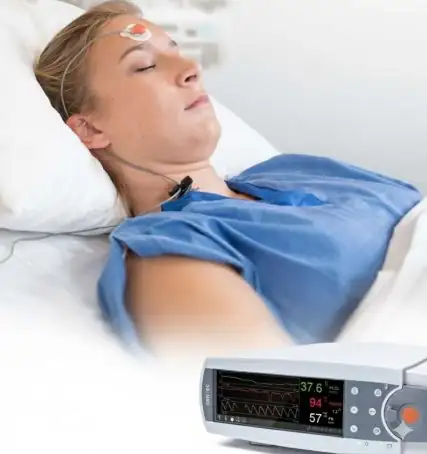
Transcutaneous carbon dioxide monitoring is a way to check the level of carbon dioxide (CO₂) in the body without needing a blood test. For people with chronic type 2 respiratory failure, the lungs do not remove enough CO₂, so it can build up in the blood. Keeping track of CO₂ levels helps doctors make sure breathing treatments, like non-invasive ventilation (NIV), are working well.
How the Monitor Works
The monitor is a small device that gently sticks to the skin, usually on the arm or earlobe. It uses a sensor to measure CO₂ that passes through the skin. The device gives a continuous reading, so changes in breathing can be seen overnight or during daily activities. This is important because CO₂ levels can go up while sleeping, and a regular blood test might miss these changes.
Safety and Comfort
Home monitoring is safe and comfortable. Most people do not feel pain or discomfort from the sensor, and the device can be used for several hours at a time, including overnight. Studies show that home CO₂ monitoring works well and gives results close to those from blood tests, especially when used regularly. If the first test does not work, trying again usually solves the problem.
Benefits for Treatment
Doctors use the information from the monitor to adjust breathing support and make sure treatment is helping. This can reduce the need for hospital visits and blood tests. If the monitor shows high CO₂ levels, the doctor may change the settings on the breathing machine or suggest other treatments.
In summary, transcutaneous CO₂ monitoring at home is a simple, non-invasive way to help manage chronic respiratory failure and make sure breathing treatments are working as they should.
Sample report
Interested in this service or want to know if it's right for you?